Land Missions: Surviving the Finnish Weather
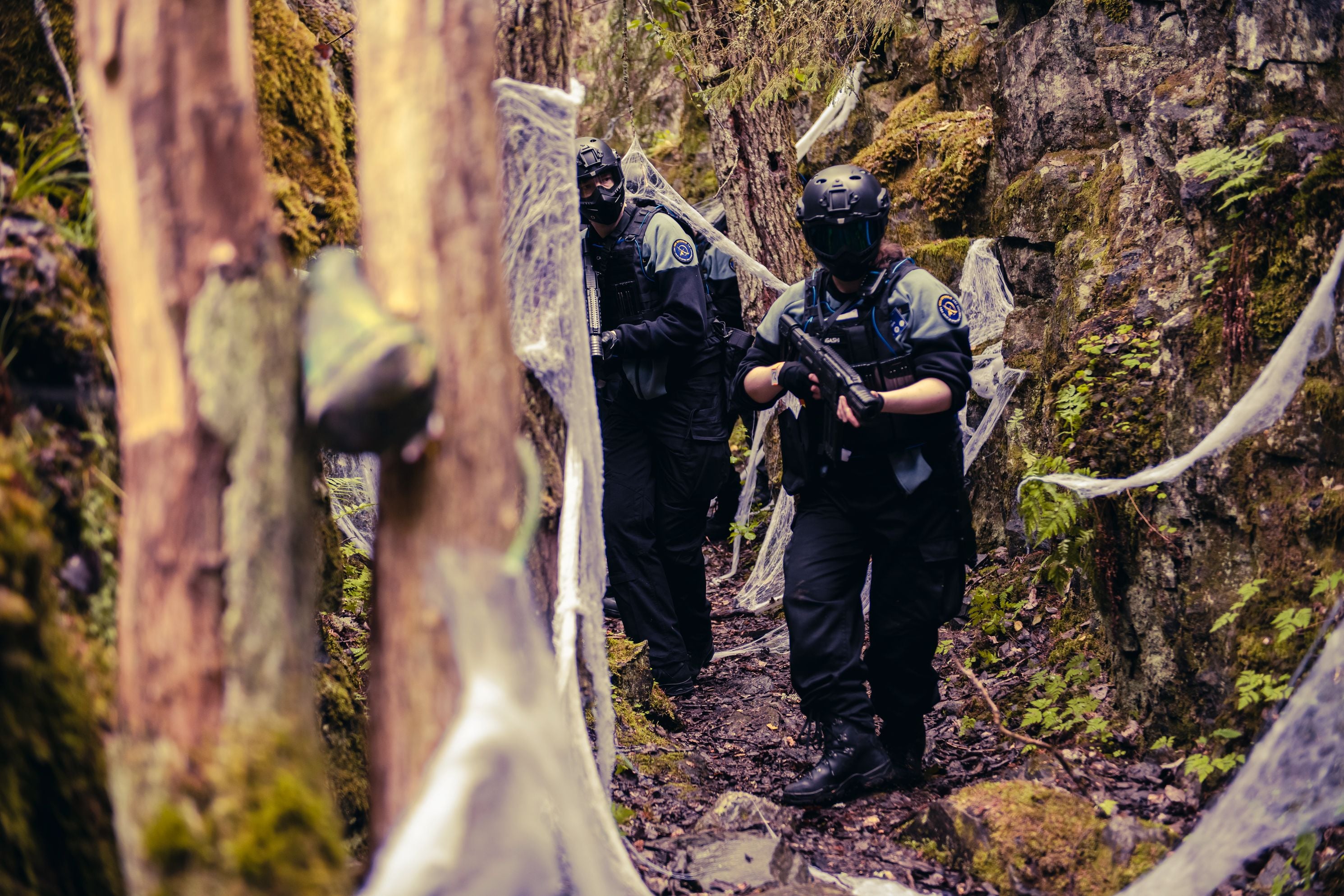
So you’re on a spaceship and you need to retrieve a mysterious beacon from an alien planet. You send in the marines and perhaps throw in a science expert to make sure they don't touch anything they shouldn't. The marines are tough professionals, used to exploring strange new worlds, they should be fine, right?
But this is not a time of peace, and the missions are perhaps more important than ever before. The enemy will jump in any minute, there is no time to retreat and regroup. Compromises must be made. Will the soldiers come back happy and healthy? Or injured / infected by something strange? Or perhaps traumatized by something they had to do, something that will weigh on their conscience for the rest of their lives?
What to expect on a planet’s surface?
We’ve talked so much about the magic of our spaceship and everything inside it, and for good reason. But sometimes the magic happens outside of it as well! While most characters in Odysseus will spend their whole larp inside the ship, the marines, sometimes accompanied by a scientist or even a civilian, will venture out on land missions several times. The main goal of these missions is to retrieve something that will allow the fleet to move forward. These missions are recorded and streamed inside the mess hall for the rest of the crew and the passengers to watch - and hope for the best.
Unknown terrain and changing conditions, as well as extremely limited time and growing pressure are formidable obstacles for the landing party. Sometimes they will find more than they bargained for. In their desperate mission to escape the machines and find their way to a new hope, the survivors have to make extremely hard decisions. The survival of humanity is in their hands, but at what cost? Destroying an enemy may seem like a simple equation, but is it really always? Can the land mission team sacrifice one of their own to save everyone else? What about an outsider, is their life an acceptable cost?
Land missions will forge the group of marines together, but they can also tear them apart in more ways than one. Some orders are easy to follow, others will never stop haunting you.
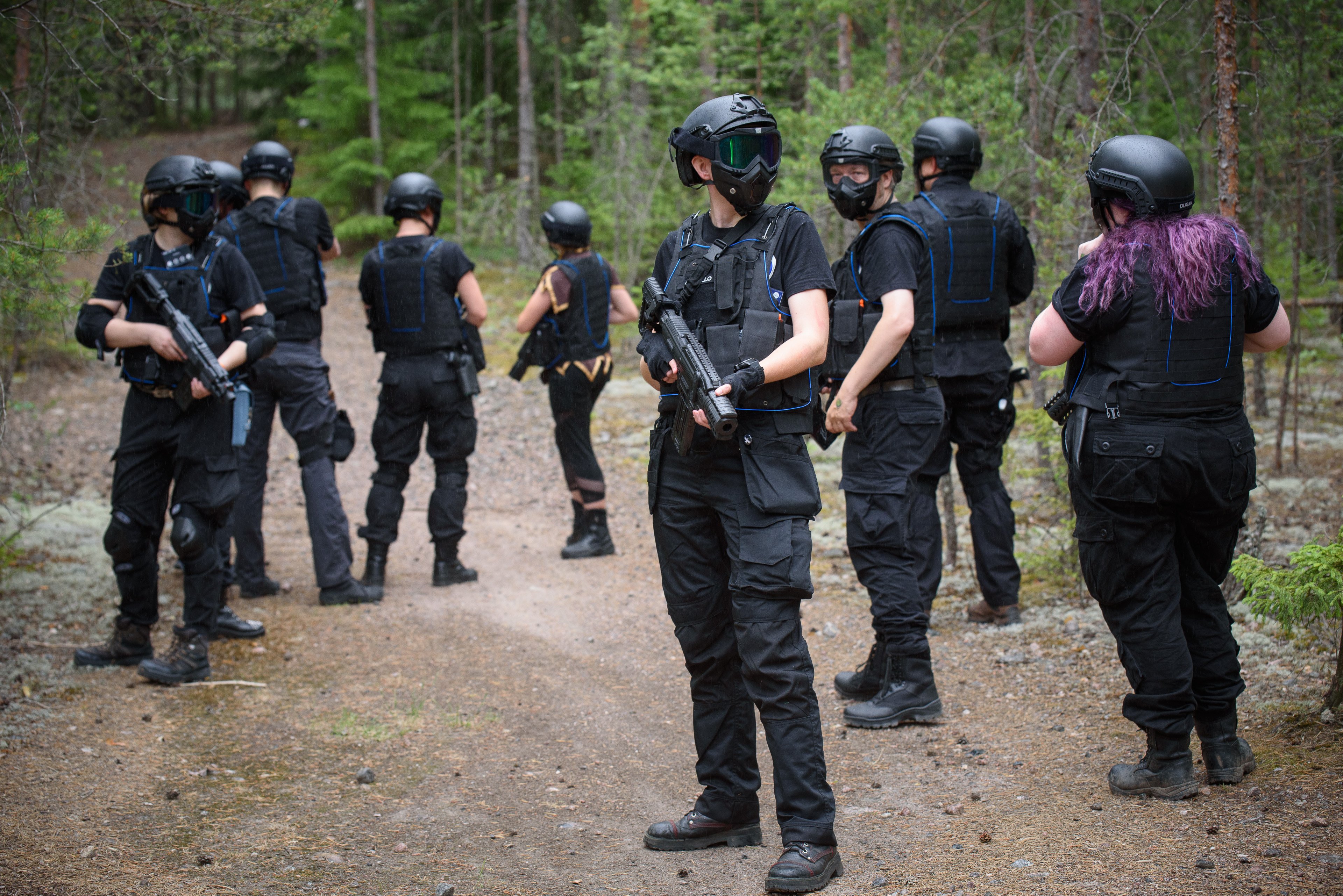
Picture: Luka Pajukanta
Easy-peasy-marine-freezy?
So there’s all kinds of in-game threats marines will face on a land missions, but what about off-game ones, mainly, the weather? In addition to enemy attacks, alien insects, and moral dilemmas, will the landing party also be frozen in a snowstorm? We’ve had some questions about what’s the best time of year to visit Southern Finland for Odysseus, so here’s our attempt at an answer. Naturally we can’t make promises on the weather of the planets, but here’s a short description on what’s common. Take your pick!
January & February: The planets are most likely icy and beautiful. Usually lots of snow, sparkly frost on trees, and cold but sunny days. Dress well, or contact us if you need some extra clothing to explore all the ice planets!
March: Sometimes the spring is early, the snow melts, snowdrops bloom and the sun feels warm and bright. Sometimes we have grey, cloudy days with more snow coming in. Prepare for confusing planets where the weather teases you with promises of spring alternating with shadows of winter.
April: Often the first real spring month. It’s getting warmer and the trees and spring flowers get enough light to start their growth. There might still be some patches of snow here and there on these planets.
May: Trees are in bloom and leaves are getting bigger and greener by the day. On a sunny day, these planets would be great for a springtime stroll in nature. If the marines had time, that is.
June: Summery planets that get almost 19 hours of sunlight a day! There can be cool and rainy June-planets as well as hot and dry ones, but often the temperatures sail somewhere around 20°C / 68°F.
July & August: most likely the hottest of the planets. You might have some heat waves and thunder storms, but these heat waves are mild compared to some around the planet Earth. Towards the end of August the weather starts to cool and the nights get darker.
September: You’ll find autumn colors and cooler days on these planets. It can still feel summery, but the fall is getting undeniably nearer.
October & November: These are planets of dark nights, misty mornings, and rainy days. Trees give up the rest of their leaves, skies look like they’re planning something sinister, and local fauna starts to withdraw to the warmth of their well insulated dens.
December: The first snow might fall on these planets, but it rarely stays on the ground for long. The days are short, and the nights are long and dark. If the sky is clear, you might see a glimpse of your ship above. Or strange stars at least.
So whenever you come, there are interesting planets and even more interesting missions to be experienced. They don’t last too long, so you won’t get frozen or melted. In-game traumas of mental or physical nature are a different matter entirely. But whatever happens on the planet’s surface, the well insulated and air conditioned ship will welcome the landing party back after each mission.
Header picture: Ami Koiranen
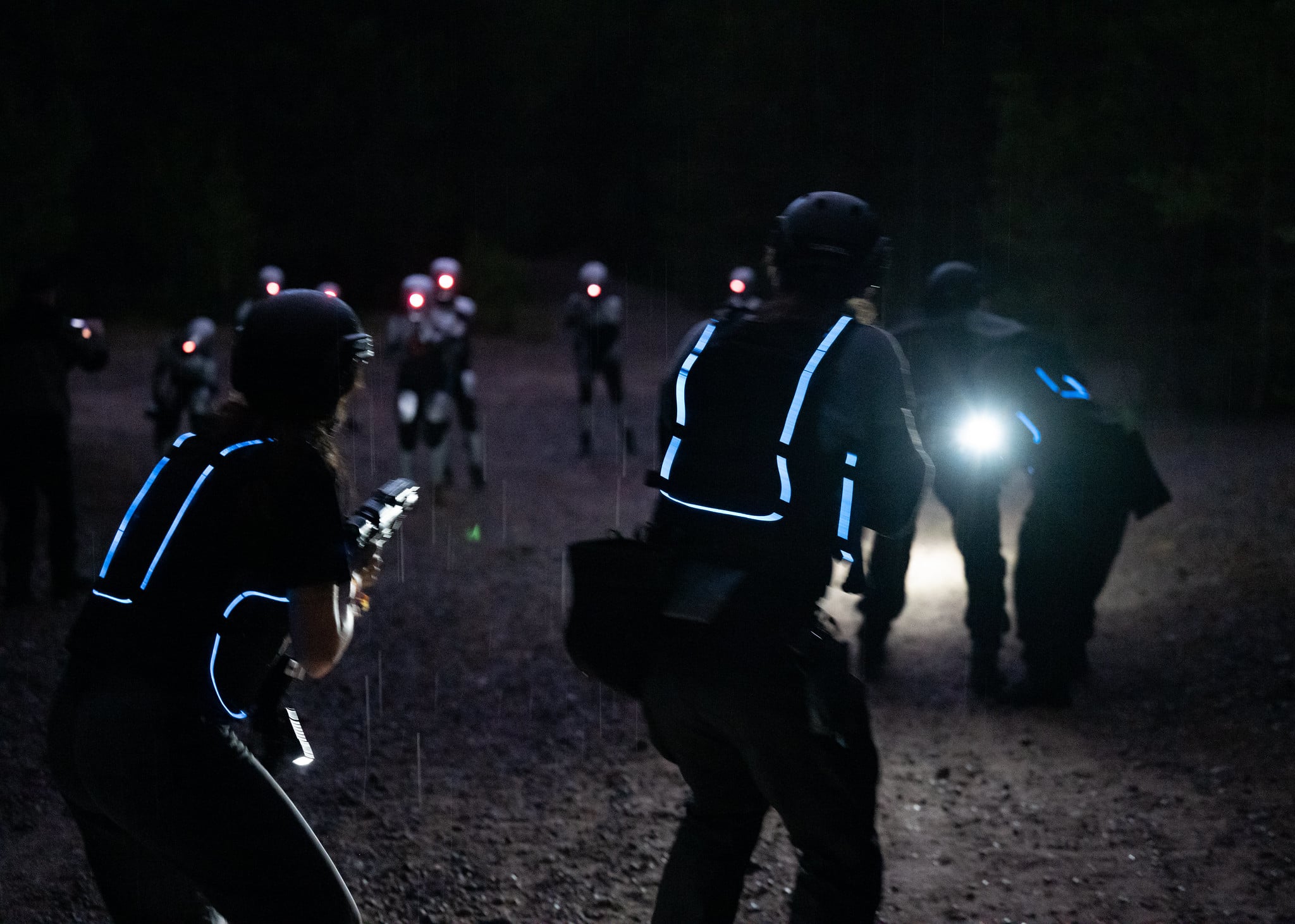
Picture: Tuomas Puikkonen